
.2606181455373.jpg)
Florida DUI Laws Apply to More Than Just Cars and Trucks
Most people assume a DUI charge in Florida means someone was driving a car or truck. That assumption is wrong, and it catches a lot of people off guard. Florida’s DUI statute casts a much wider net, covering virtually any device that transports a person on a public roadway.
If you’ve been charged with DUI in Naples on something other than a standard motor vehicle, or if you’re wondering whether Florida’s DUI laws could apply to you in a situation you haven’t considered, here is what the law actually says.
How Florida Law Defines a “Vehicle”
Florida’s DUI law, found in Section 316.193 of the Florida Statutes, applies to anyone in actual physical control of a vehicle. The term “vehicle” is defined separately in Section 316.003 as essentially any device used to transport a person or property on a highway.
That definition is intentionally broad. It does not require an engine, a license plate, a registration, or a certain number of wheels. What matters is whether the device is being used to move a person on a public road or an area open to the public.
Bicycles
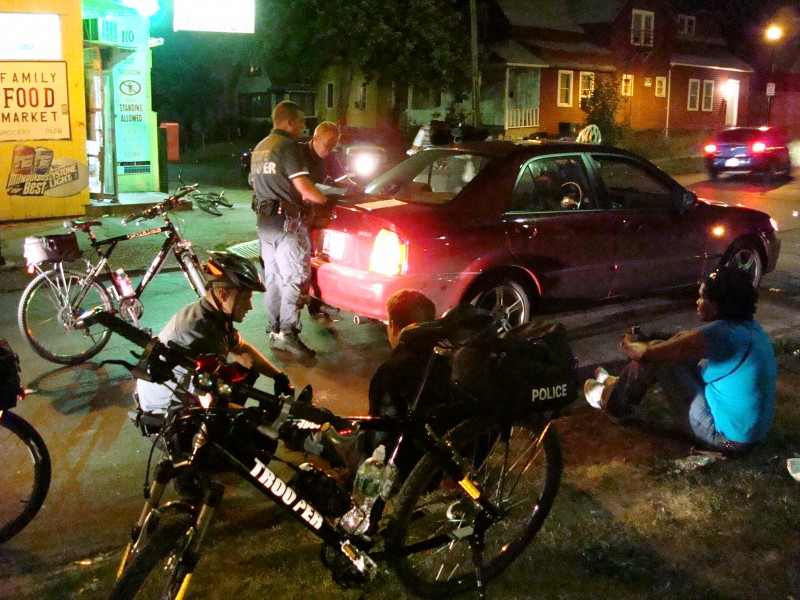
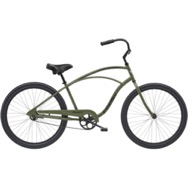
Yes, you can be charged with DUI in Florida while riding a bicycle. Florida law treats bicycles as vehicles for traffic enforcement purposes, and courts have upheld DUI convictions in cases involving pedal bicycles. No engine, no problem for the prosecution. Your impairment is what matters.
Electric Bicycles (E-Bikes)

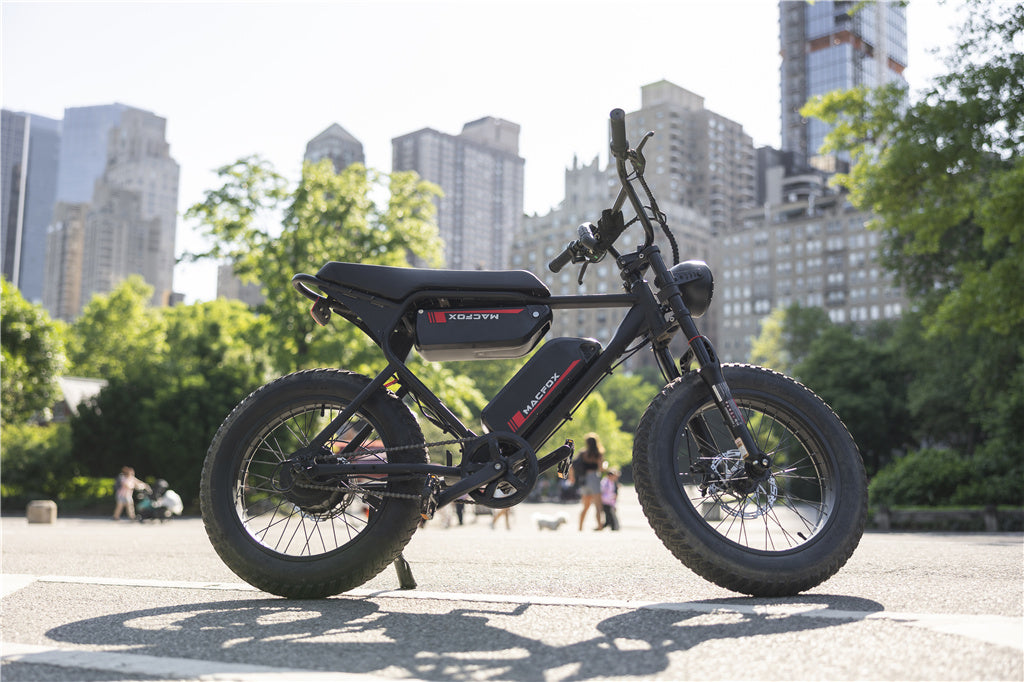

E-bikes, whether pedal-assist or throttle-powered, are generally treated the same as conventional bicycles under Florida law. Because they transport a person on a roadway, they fall within the vehicle definition. DUI arrests involving e-bikes are increasingly common in coastal communities like Naples, where e-bikes have become a popular way to get around.
Golf Carts
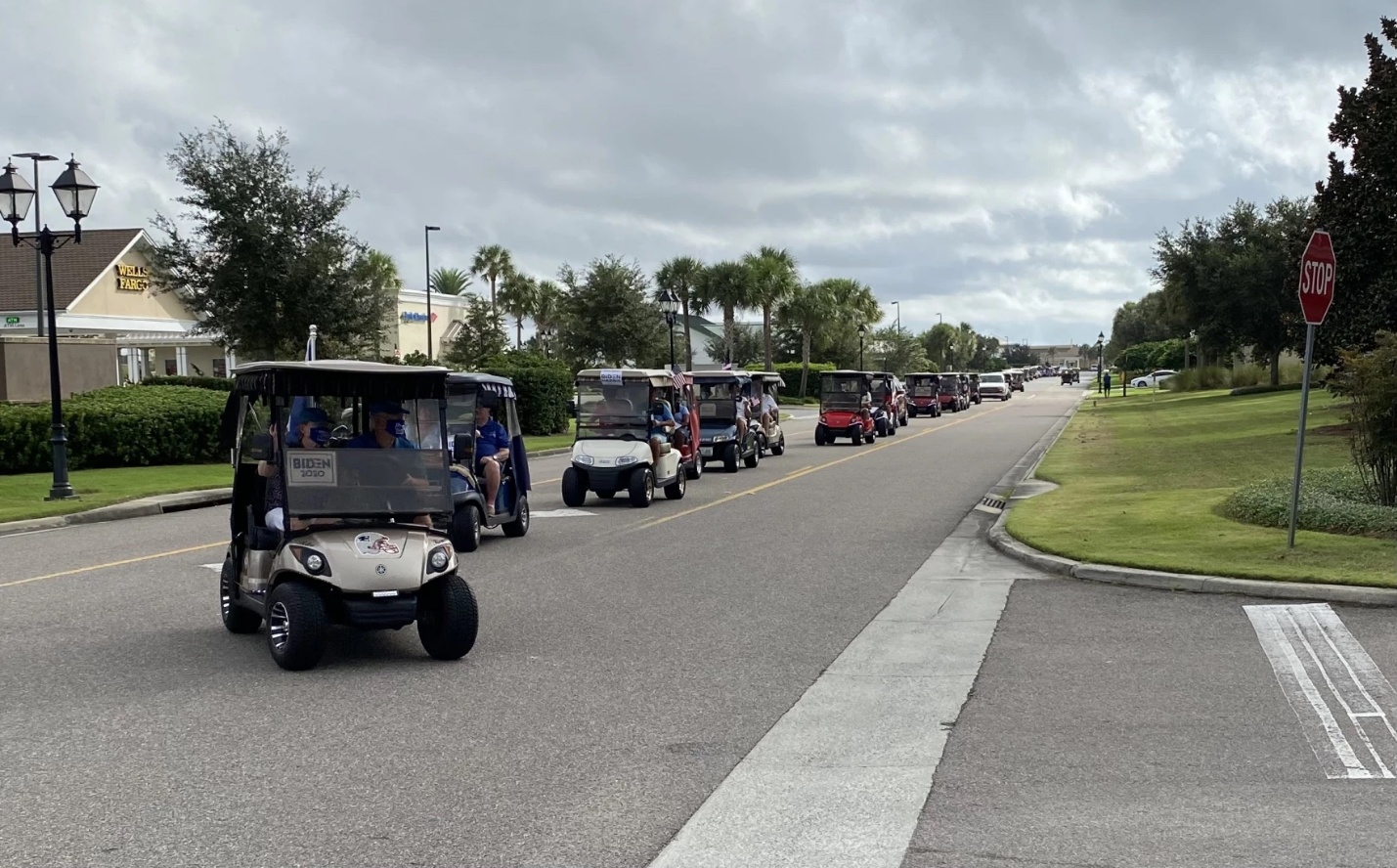
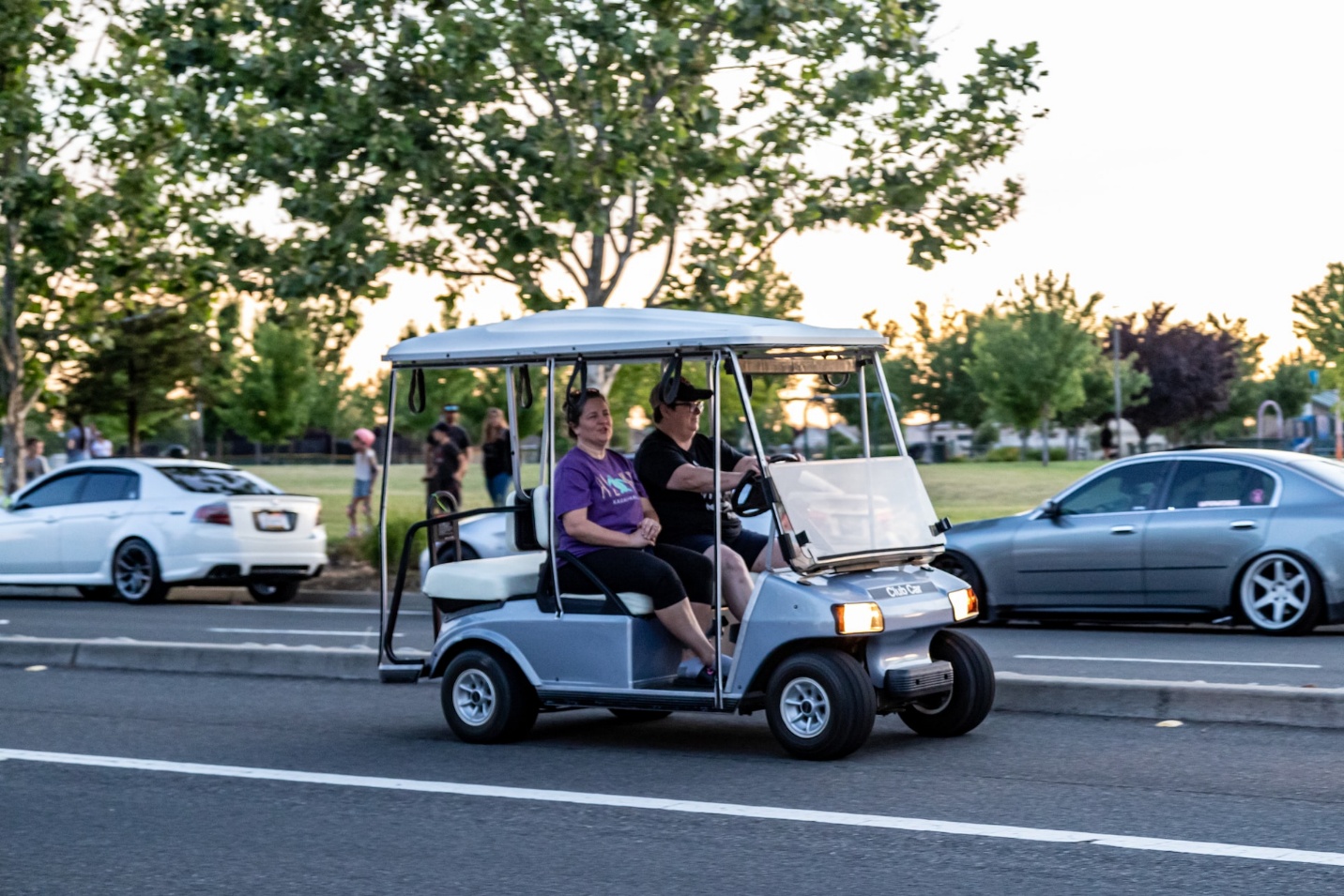
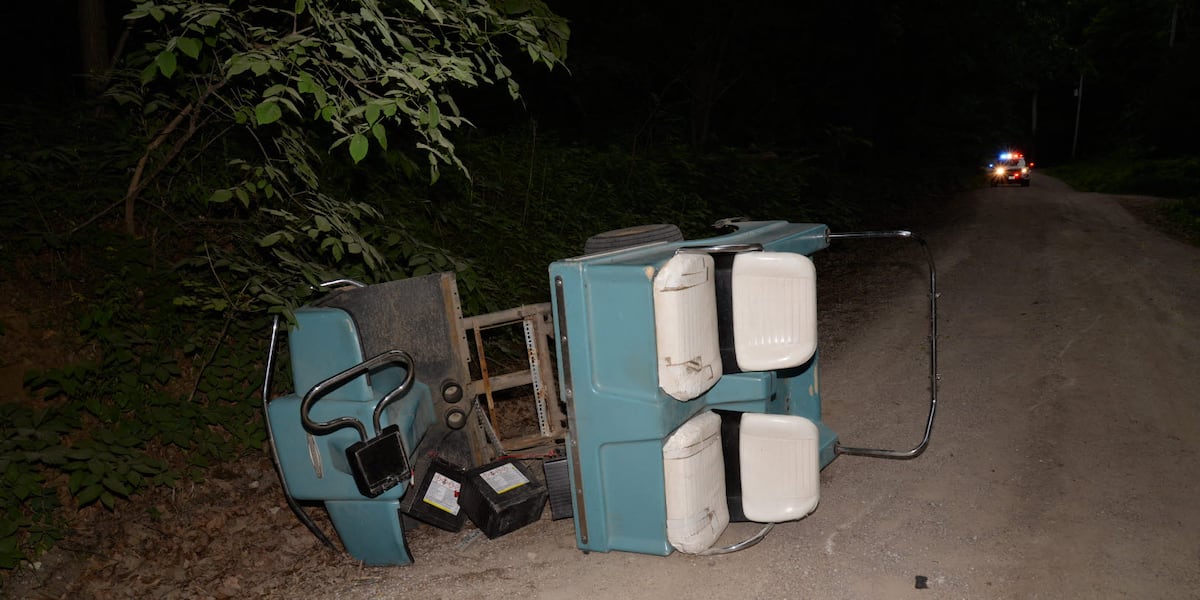
Golf cart DUI arrests are among the most common non-traditional DUI cases in Southwest Florida, particularly in beach towns, gated communities, and resort areas like those throughout Collier County. If a golf cart is operated on a public street or an area open to the public, it qualifies as a vehicle. Florida appellate courts have upheld DUI convictions involving golf carts on public roads.
Motorized Scooters and Mopeds

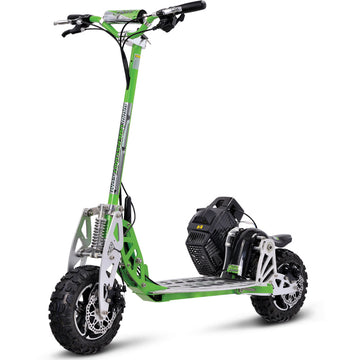

Gas-powered scooters, mopeds, and many stand-up electric scooters fall within Florida’s vehicle definition when used on public roadways. Registration is not the determining factor. If the device is transporting a person on a highway, DUI charges are legally possible regardless of whether it requires a tag or license plate.
Riding Lawn Mowers

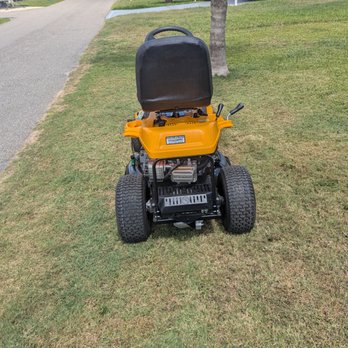
This one surprises people, but it is not a myth. There are documented DUI arrests in Florida involving riding lawn mowers being operated on public streets. If a lawn mower is being driven on a roadway rather than private property, it can qualify as a vehicle under the statute.
Farm Tractors and Heavy Equipment

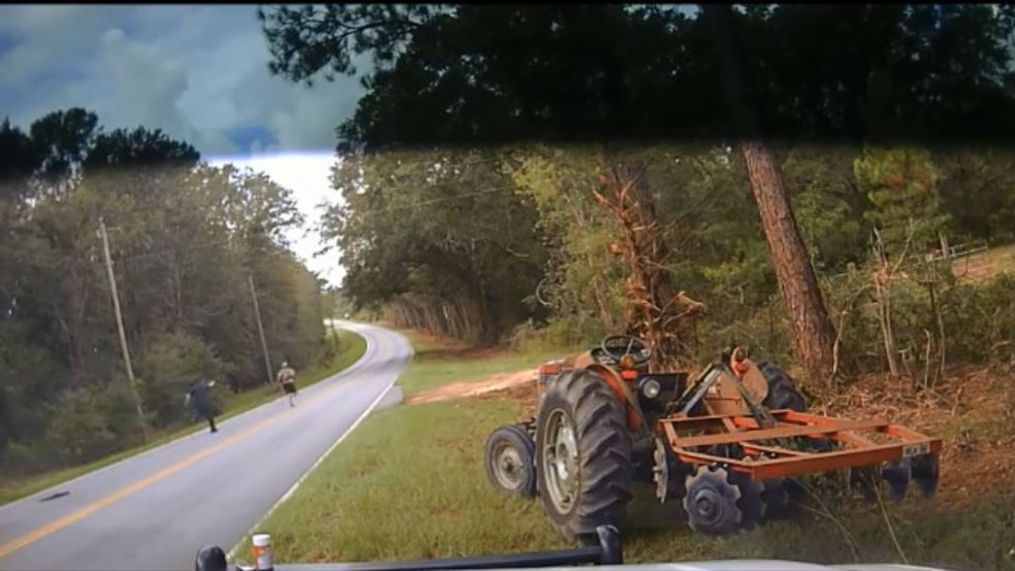

Farm tractors and other self-propelled machinery used on public highways can also fall within Florida’s DUI framework. The analysis comes back to the same basic question: is the device being used to transport a person upon a highway?
ATVs and Off-Road Vehicles


ATVs and side-by-side vehicles are designed for off-road use, but when they are operated on public roadways or areas open to the public, they can be subject to Florida’s DUI laws. The location of operation matters as much as the type of vehicle.
Boats: A Separate but Related Offense
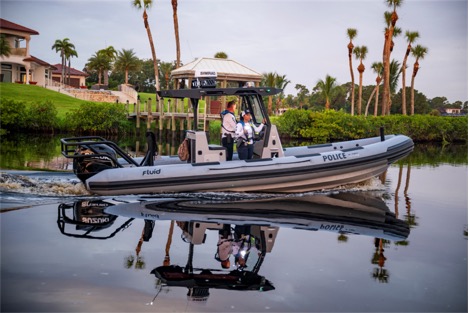

Boats are not covered by the same statute as land vehicles. Florida has a separate Boating Under the Influence law under Section 327.35 of the Florida Statutes. The penalties are similar, but the offense is prosecuted under a different framework. If you were arrested for BUI on the water near Naples, that case involves its own set of legal considerations.
The Three Things That Have to Be True for a DUI Charge
For a DUI conviction under Florida’s main statute, three elements generally have to be established:
- The object must qualify as a vehicle under the statutory definition
- It must be operated on a highway or an area open to the public
- The person must be in actual physical control of it while impaired
Because the definition of “vehicle” is so broad, the first element is often satisfied by devices people never expected to be covered. The second and third elements are where the most significant defenses arise.
What Does This Means If You’re Facing a DUI Charge in Naples?
If it moves you on a public roadway, assume DUI laws may apply.
That includes:
- Two wheels
- Four wheels
- No license plate
- No registration
- No engine in the traditional sense
The safest rule is simple: If you are impaired, do not operate anything that qualifies as a vehicle under Florida law.
If you or someone you know has been charged with DUI on a bicycle, golf cart, scooter, or any other non-traditional device in Naples, Collier County, or beyond, contact the Law Offices of Cavanaugh & Cavanaugh, P.A.. Early legal analysis can make a real difference in how your case proceeds.
Disclaimer: This article is for general informational purposes only and does not constitute legal advice. Reading this article does not create an attorney-client relationship.