
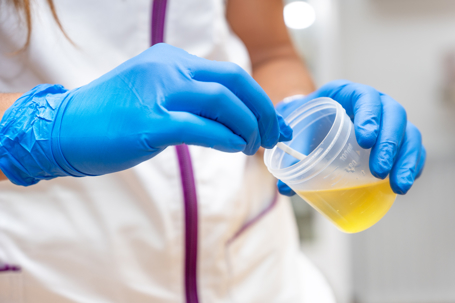
Why Hiring an ACS Forensic Lawyer-Scientist Matters in Florida Blood and Urine DUI Cases
Not all DUI cases in Florida are alike. When a case involves blood or urine testing rather than a standard roadside breath test, the science becomes far more complex. The outcome can hinge on laboratory procedures, toxicology analysis, chain of custody records, and forensic interpretation. In these situations, having a DUI defense attorney with real forensic science training is not just helpful; it can be the deciding factor.
Blood and Urine DUI Cases Involve a Different Level of Complexity
A breath test case is relatively straightforward compared to what goes into a blood or urine investigation. These cases frequently involve:
- Laboratory testing procedures and quality control standards
- Chain of custody documentation from collection to analysis
- Gas chromatography and toxicology analysis methods
- Interpretation of prescription and over-the-counter medications
- Potential for false positives, sample contamination, or degradation
- Retrograde extrapolation arguments about what your level was while driving
- Medical and pharmacological explanations for test results
These cases often require expert witnesses and involve detailed scientific testimony. Without an attorney who can engage with that evidence at a technical level, the prosecution’s experts can go largely unchallenged.
What Forensic Training Allows an Attorney to Do
An attorney with forensic science training is uniquely positioned to challenge blood and urine evidence in a DUI case. Rather than simply relying on summaries or conclusions provided by experts, they can independently read and interpret laboratory reports, assess whether proper testing protocols were followed, and identify weaknesses in the State's scientific evidence.
This training also enables them to effectively cross-examine forensic toxicologists regarding their methods, findings, and conclusions, while recognizing when an expert's testimony goes beyond what the underlying science actually supports. Because scientific evidence can appear highly persuasive to a jury when left unchallenged, forensic training provides defense counsel with the knowledge and tools necessary to expose flaws, limitations, and uncertainties that may affect the reliability of the evidence.
What ACS Forensic Training Means in Practice
Training recognized by the American Chemical Society reflects a substantial commitment to understanding the scientific principles that form the foundation of DUI chemical testing.
This education provides knowledge of the testing methods commonly used in forensic laboratories, the principles and limitations of forensic toxicology, laboratory quality control procedures, accreditation standards, and issues involving scientific reliability and analytical validity.
It also includes an understanding of the sophisticated instruments used to measure blood alcohol concentrations and detect the presence of drugs in biological samples.
In a blood or urine DUI case, the ability to recognize errors, inconsistencies, or weaknesses in any of these areas can have a significant impact on the defense strategy and potentially alter the outcome of the case.
Testing Positive Does Not Automatically Mean You Were Impaired
One of the most important points in any drug-related DUI case involving blood or urine is that a positive test result is not the same as proof of impairment. Many Florida DUI arrests that use these tests involve legally prescribed medications taken exactly as directed.
A number of factors can affect how a result is interpreted:
- The difference between a therapeutic level and an impairing level
- Drug interactions with other medications
- Individual tolerance built up over time
- Delayed metabolism that affects when a drug reaches peak concentration
- Underlying medical conditions that influence test results
- Incomplete or misleading interpretations in the laboratory report
A forensic-trained attorney knows what questions to ask and where the State’s interpretation may not hold up.
A Science-Based Defense Requires Science-Based Preparation
Defending a blood or urine DUI case goes well beyond reviewing the police report. Thorough preparation in these cases typically requires examining:
- Full toxicology records and lab reports
- The laboratory’s internal procedures and quality control logs
- The qualifications and training of the analysts who handled your sample
- Instrument calibration and maintenance records
- Sample collection and handling procedures
- Relevant medical history and pharmacology issues
Every one of these areas is a potential source of reasonable doubt. An attorney who understands the science can find those issues. An attorney who does not may never think to look.
Facing a Blood or Urine DUI in Naples? Choose an Attorney Who Knows the Science.
If your DUI case in Collier County involves blood or urine testing, the attorney you choose matters in a very specific way. You need someone who understands both the law and the science behind the evidence. You need someone who will not simply accept the State’s test results at face value.
Contact the Law Offices of Cavanaugh & Cavanaugh, P.A. to schedule a consultation. We handle complex DUI cases throughout Naples and Collier County and are prepared to dig into the forensic details that can make all the difference.
Disclaimer: This article is for general informational purposes only and does not constitute legal advice. Reading this article does not create an attorney-client relationship.